

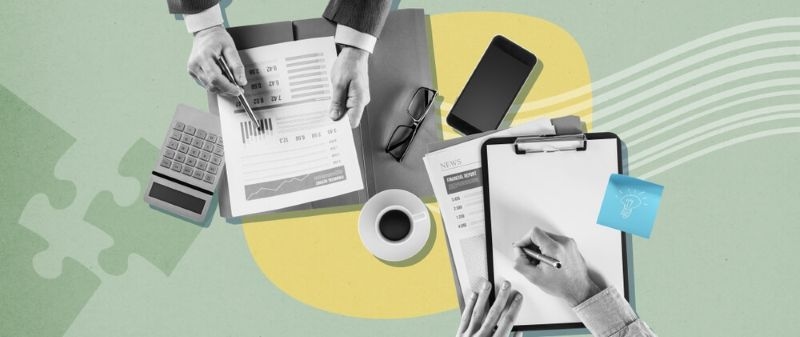
Starting a business makes people do a lot of exciting things, like picking a name, making a logo, and telling friends they’re finally doing it. Then the less glamorous part hits. Money stuff. Accounts. Fees. Paperwork. The kind of tasks that get delayed until the last possible second.
That’s why learning business banking basics early helps. Not because it’s fun, but because clean banking decisions make everything else easier. Taxes get simpler. Payments get cleaner. Cash flow becomes easier to see. And the business looks more legitimate to clients and vendors.
This guide walks through the core banking choices most owners face, using plain language and practical examples.
A business doesn’t need fancy finance tricks on day one. It needs separation, visibility, and control. That’s the core of business finance basics. Separate business money from personal money. Track what comes in and goes out. Use tools that reduce mistakes instead of adding more.
The first real step is opening a dedicated account. It creates a clean line between “business” and “life,” which helps with bookkeeping, taxes, and credibility.
A business bank account is not just a different label on a debit card. It’s a system. It keeps income and expenses in one place, and it creates records that make tax season less stressful.
It also helps protect the business owner. If someone mixes personal and business funds, it can blur legal separation, especially for LLCs or corporations. Even for a sole proprietor, separation makes tracking easier and reduces errors.
Plus, clients and platforms often prefer paying a business name rather than a person’s personal account. It looks professional. It builds trust.
A business checking account is the day-to-day workhorse. It handles incoming payments, outgoing bills, payroll, subscriptions, and card spending.
Business savings is different. It’s where owners park money they don’t want to touch daily, like:
A simple setup that works for many new owners is one checking plus one savings. Checking runs operations. Savings holds “do not spend” money.
Not all accounts are equal. Some are great for high transaction volume. Some are better for online-first businesses. Some are full of fees that quietly pile up.
Key features to compare:
For small business banking, convenience matters more than people admit. If the bank makes simple tasks painful, the owner will avoid checking the account. That’s how mess starts.
Requirements vary by bank and business type, but most owners should expect to provide:
If someone is just starting and doesn’t have an EIN yet, many banks still allow sole proprietors to open accounts using an SSN. But getting an EIN can still be smart for privacy and structure.
Online business banks often offer:
Traditional banks often offer:
For a service business that invoices clients and takes online payments, an online bank can be enough. For a retail business handling cash, a branch bank can be the better match.
A lot of owners end up with both. One for daily operations and cash deposits, one for high-yield savings or better digital tools. That’s common in entrepreneur banking because owners want flexibility.
Also Read: The Best Debt Repayment Strategies for Every Loan Type
Once the account is open, most banks offer a debit card and sometimes a credit card option.
Debit is simple, but it ties directly to cash in the account. Credit adds a buffer, rewards, and sometimes better fraud protection, but it also needs discipline.
Good early rules:
That last one is how mixing starts. Mixing is how bookkeeping becomes chaos.
New owners often get surprised by how many ways money moves in and out.
Common payment channels include:
The goal is to choose a payment setup that matches how customers pay. If clients prefer ACH, make it easy. If they want cards, ensure fees are priced into services.
This is a big part of business banking basics because payment friction kills momentum.
Most businesses don’t fail because they never made money. They fail because timing didn’t work. Bills hit before payments arrive. Inventory gets purchased before revenue lands. Surprise taxes show up.
Two simple habits help:
Even small amounts add up. And it reduces the late-night panic of “where did the money go?”
This is the heart of business finance basics. It’s not spreadsheets that save businesses. It’s predictable habits.
Owners who plan to apply for a loan or line of credit later should think ahead. Banks like to see:
A clean business bank account history can support future financing. It’s easier to show performance when everything runs through one place.
Some banks also offer business lines of credit based on account history. Even if someone doesn’t need credit now, setting the foundation early is smart.
If money already started moving, open the account now and stop the bleeding. Then track past expenses with a simple spreadsheet and clean it up.
Small monthly fees feel minor until they stack up across accounts, transfers, and transaction limits. Read the fee schedule.
Banking is not glamorous, but it’s operational. Like internet service. If it’s unreliable, everything suffers.
Owners should review account activity weekly. Five minutes. That’s it. It catches fraud early and keeps spending honest.
For many startups, this setup is enough:
That’s solid small business banking without overcomplication.
On a Similar Note: Cybersecurity in Banking for Safer Digital Finance
As soon as the business earns income or pays expenses. Separation early prevents messy records and makes taxes and bookkeeping easier.
Yes. Many banks allow sole proprietors to open a business checking account using an SSN, though an EIN can still be helpful for privacy and structure.
Mixing personal and business money. It confuses bookkeeping, complicates taxes, and can create legal issues depending on the business structure.
This content was created by AI